Moving to a new city is an exciting adventure, but it can also be a daunting experience. Beyond navigating unfamiliar streets and setting up a new home, one of the biggest challenges is rebuilding your social circle from scratch. While traditional methods like after-work drinks or joining hobby groups still work, the world of fitness offers a powerful and often overlooked avenue for connection. For those with a passion for staying active, run clubs and CrossFit boxes provide a unique environment to forge meaningful friendships while pursuing personal health goals.
Finding your tribe through shared effort
The beauty of joining a fitness community is the instant common ground it provides. When you show up for a group run or a Workout of the Day (WOD), you are immediately surrounded by people who share at least one of your interests. This shared purpose helps to break down social barriers. The collective experience of pushing through a tough workout, encouraging a fellow athlete to finish their last rep, or celebrating a new personal best creates a strong sense of camaraderie that is difficult to replicate in other social settings. This shared struggle and triumph build a foundation of mutual respect and understanding, which are the cornerstones of any good friendship.
The structure of social fitness
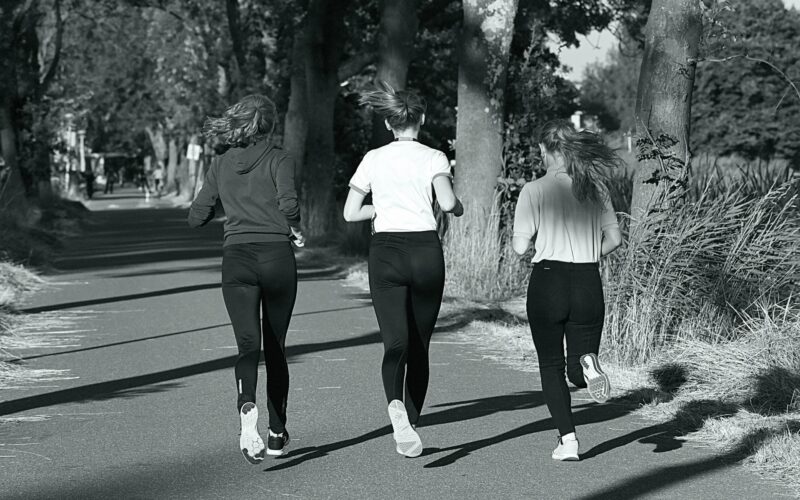
Run clubs and CrossFit boxes are inherently social. Unlike a conventional gym where most people are plugged into their headphones, these groups are structured around interaction. A typical CrossFit class involves a group warm-up, skill practice where you might partner up, and a timed workout where the entire class cheers each other on. Similarly, run clubs often have different pace groups, allowing for conversation during the run, and almost always include a post-run coffee or drink. This built-in social time is crucial, turning a simple workout into a well-rounded social event. It offers a low-pressure way to chat, get to know people beyond their athletic abilities, and make plans outside of the gym or running trail.
More than just a workout
These fitness communities often extend their activities far beyond exercise. Many run clubs and CrossFit affiliates organise regular social events, from summer barbecues and holiday parties to charity fundraisers and team competitions. These events are fantastic opportunities to connect with members in a more relaxed atmosphere. Participating in a team for a local 10k race or a "throwdown" competition at another CrossFit box deepens bonds through teamwork and a shared goal. It is through these extended interactions that training partners evolve into genuine friends you see on the weekend.
Breaking the ice is part of the warm-up
For anyone who feels a bit shy or awkward about meeting new people, the environment of a run club or CrossFit box is ideal. The focus is initially on the physical activity, which takes the pressure off making sparkling conversation. Simple interactions, like asking someone for a tip on their running form or clarifying a movement standard with a classmate, can be easy and natural icebreakers. Coaches and run leaders are also excellent facilitators, often introducing new members to the group and fostering a welcoming and inclusive atmosphere. You will find that conversations start organically, born from the shared experience of the day's workout.
How to get started
Finding a group is simpler than you might think. A quick online search for "run clubs near me" or "CrossFit in [your new city]" will yield plenty of options. Many run clubs are free and organised through social media platforms or apps like Meetup. Most CrossFit boxes offer a free taster session or an introductory course, allowing you to try it out before committing. When you visit, pay attention to the community feel. Are people friendly and welcoming? Do members interact before and after class? Finding the right fit is about more than just the quality of the coaching or the equipment; it is about finding a place where you feel you belong. By taking that first step, you are not just investing in your physical health, but also in your social well-being.