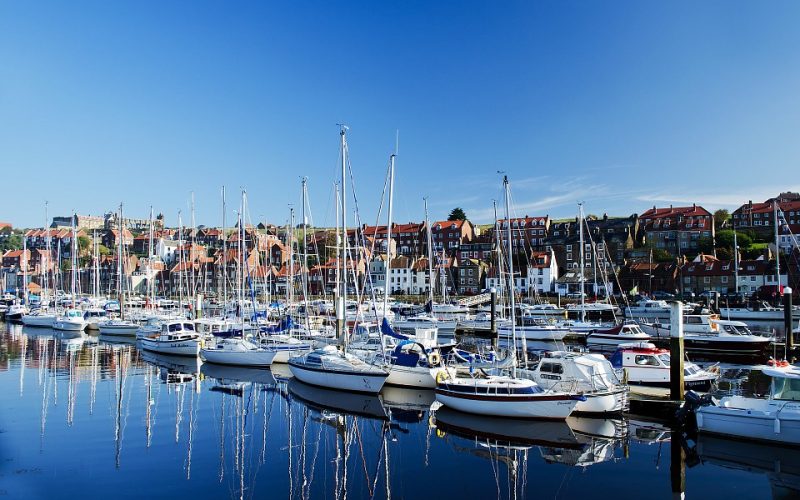
There is something undeniably romantic about the idea of casting off the lines and sailing into the sunset with the person you love. No mortgage, no neighbours, no commute — just the two of you and the open water. But life aboard is rarely as idyllic as the postcards suggest. For couples who choose to make a boat their home, the experience is equal parts adventure and adjustment.
Close quarters, closer bonds
The most immediate challenge is space — or the lack of it. A typical liveaboard vessel offers somewhere between 30 and 50 feet of living area, shared between two people around the clock. There is no retreating to a separate room after an argument, no quiet corner to decompress after a long day. Every habit, quirk, and mood becomes visible. Couples who thrive in this environment tend to share one trait: they have learned to communicate with unusual honesty and efficiency.
Dividing the work
Running a boat is a surprisingly labour-intensive business. Engine maintenance, hull cleaning, provisioning, navigation, weather monitoring — the list goes on. Couples who divide these responsibilities thoughtfully tend to find a satisfying rhythm. One partner might manage the technical upkeep while the other handles provisioning and passage planning. The key is flexibility. Roles shift depending on conditions, and a willingness to step outside your comfort zone is not optional — it is essential.
The unexpected rewards
For all its demands, life on the water offers rewards that are genuinely difficult to replicate on land. Waking up in a quiet anchorage, swimming off the back of your own boat, watching a sunset from the cockpit with nowhere to be — these are not small things. Couples frequently describe a sharpened sense of presence and gratitude. When your world is condensed to the essentials, what matters becomes remarkably clear.
Handling conflict at sea
Disagreements on a boat carry extra weight. If an argument flares during a night passage or in deteriorating weather, the stakes are real. Experienced liveaboard couples often develop what sailors call "on-watch rules" — agreed boundaries around communication during high-pressure moments. Criticism during a tricky docking manoeuvre, for instance, rarely helps. Many couples credit their time afloat with teaching them to argue better, not less.
Building a life between ports
One of the quieter joys of liveaboard life is the community that forms around it. Marina docks and anchorages attract an unusually eclectic mix of people — retirees, young families, remote workers, long-distance cruisers. Friendships form quickly and warmly, often over shared sundowners or borrowed tools. For couples who worried about isolation, this floating community frequently becomes one of the most cherished parts of the lifestyle.
Is it right for you?
Living on a boat will not fix a struggling relationship, but it can deepen a strong one. The lifestyle strips away distraction and demands that two people show up fully — for the boat, for each other, and for whatever the sea decides to throw at them. Those who make it work tend to look back not on the smooth passages, but on the difficult ones: the storms they weathered, the problems they solved, the moments when they had no one to rely on but themselves and each other.